
Easements and covenants:
what they mean for your property
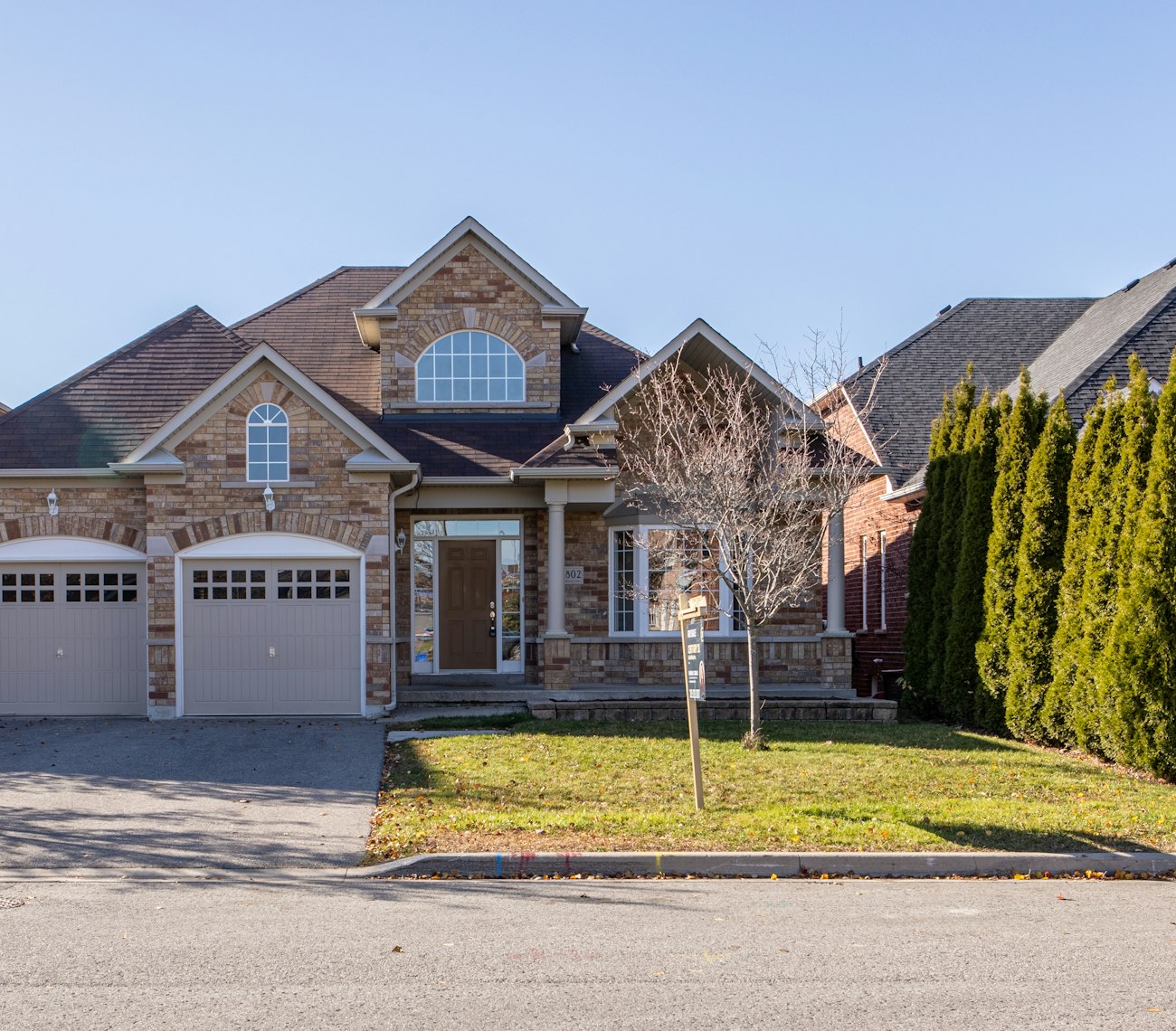
Easements and covenants are rights and rules attached to land, not to the owner. When you buy, they come with the property, and they can stop you building an extension, a pool, or a second home. Here's what they are and how to check for them before you sign.
What an easement is
An easement gives someone else the right to use part of your land for a particular purpose. The most common ones in Melbourne are:
- Drainage and sewerage easements, usually along the back or side boundary, for pipes owned by the council or water corporation;
- Carriageway easements, giving a neighbour the right to use a shared driveway;
- Power and other service easements for overhead or underground lines.
You still own the land, but you can't block the easement. Building over one usually needs consent from the authority that benefits from it, and they may refuse or set conditions.
What a covenant is
A restrictive covenant is a promise, usually made when the land was first sold or subdivided, that limits what any future owner can do. Common examples are:
- Only one dwelling on the lot;
- Building materials, such as brick or stone only;
- No subdivision, or height and fencing restrictions.
Covenants can be decades old and still binding. Neighbours who benefit from them can take action to enforce them.
“A single-dwelling covenant from the 1950s can still stop a townhouse development today.”
Section 173 agreements
Similar to covenants, these are agreements between an owner and the council, often made as a condition of a planning permit. They bind future owners too, and can cover things like building envelopes or how land can be used.
How to find them
Easements, covenants and Section 173 agreements are listed on the title search and shown on the title plan, which come with the Section 32. The title only lists a covenant by number, so your conveyancer gets a copy of the covenant itself to read the actual wording. Our guide to title searches explains how to read one.
Can they be removed?
- Covenants can be removed or varied with a planning permit from council, which notifies the neighbours who benefit, or by an application to the Supreme Court. Both take time and aren't guaranteed;
- Easements can sometimes be removed if they're no longer used, with the agreement of whoever benefits, but service easements are rarely removed.
If your plans depend on removing one, get advice before you buy, not after.
What buyers should do
- Read the title and plan in the Section 32 before you sign or bid;
- Ask your conveyancer to get copies of any covenants and agreements;
- Check easements against where you'd want to build or extend;
- If you're planning to subdivide or develop, get advice before you commit.
Know what's on the title before you buy
We'll read the title, the plan and every covenant and agreement, and tell you plainly how they affect your plans. Your first review is free.
Get a free contract reviewThe bottom line
Easements let others use part of your land, and covenants restrict what you can build. Both come with the property and can be hard to remove. Check the title before you buy, especially if you're planning to build, extend or subdivide.