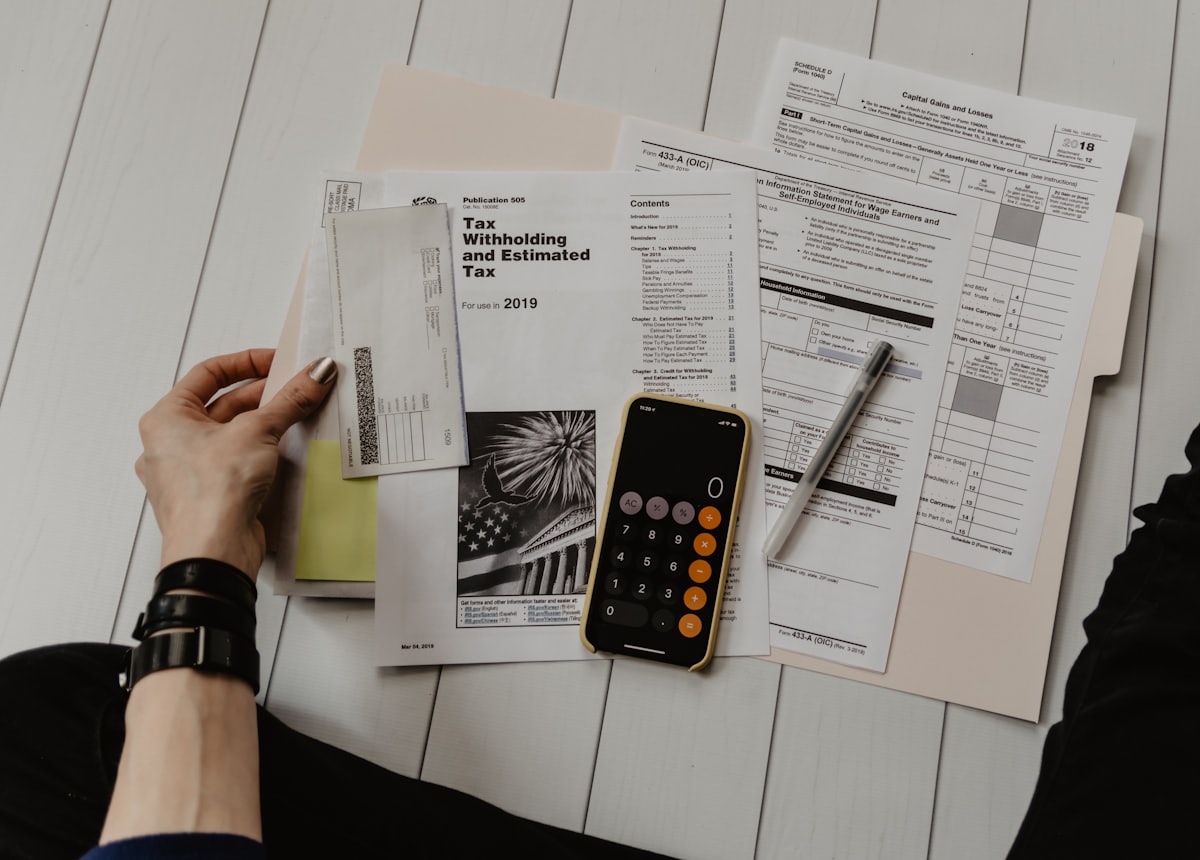
Land tax in Victoria: who pays
and how it's handled at settlement
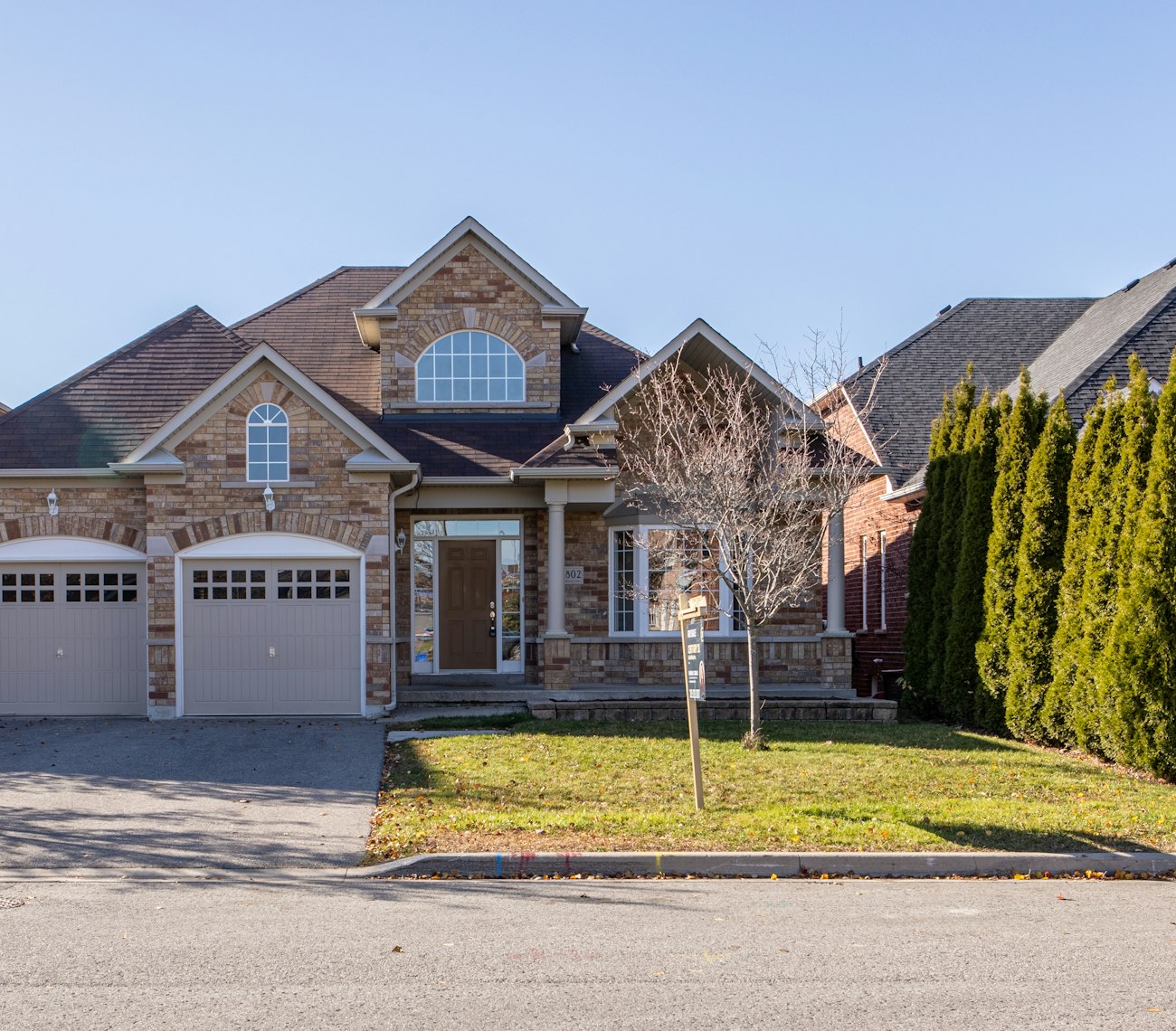
Land tax is an annual tax on land you own in Victoria. Most people never pay it on their own home, but investors, holiday-home owners and anyone holding vacant land usually do. It also comes up when a property is sold, and the rules on who pays changed in 2024.
Who pays land tax
Land tax is charged each calendar year based on the land you own at midnight on 31 December. It's worked out on the total site value of all your taxable land, not the price of the buildings. Since 2024 the tax-free threshold has been $50,000, so almost any investment property in Melbourne attracts some land tax, plus a temporary COVID debt levy.
Your home is usually exempt
Land you live on as your principal place of residence is generally exempt. Other exemptions cover primary production land and some charitable uses. If you move out and rent your home, or buy a new home before selling the old one, the exemption can change, so check your position with the State Revenue Office or your accountant.
Sellers can't pass it on at settlement
In the past, many contracts let the seller charge the buyer a share of the year's land tax at settlement. For contracts signed from 1 January 2024, that's banned for sales under $10 million: the seller pays their own land tax, and the contract can't adjust it at settlement. The same applies to windfall gains tax.
Sellers can still factor their costs into the price they ask, but not as a separate adjustment. If you see a land tax adjustment in a contract for a sale under $10 million, ask your conveyancer about it.
“For most sales, the land tax line on the settlement statement should now be zero. If it isn't, ask why.”
How buyers are protected
Unpaid land tax can become a charge on the land itself, which means it could follow the property to the new owner. To prevent that, your conveyancer orders a land tax certificate from the State Revenue Office before settlement. It shows whether any land tax is owing on the property.
If the seller owes land tax, that amount is paid to the State Revenue Office out of the sale price at settlement. You receive the property clear of the debt, and the seller's liability is settled.
Other property taxes to know
- Vacant residential land tax applies to homes left empty for more than six months a year in Victoria;
- The absentee owner surcharge adds extra land tax for foreign owners;
- Windfall gains tax can apply when land is rezoned and gains significant value.
If you're buying to invest, our guide to buying an investment property covers land tax planning in more detail.
Make sure the numbers are right
We check the land tax certificate, the contract and the settlement adjustments so you don't pay a cent you shouldn't. Your first review is free.
Get a free contract reviewThe bottom line
Land tax is the owner's annual bill, and your home is usually exempt. For contracts from 2024 under $10 million, sellers can't charge buyers land tax at settlement, and your conveyancer's land tax certificate makes sure any unpaid tax is cleared before you take over.